Inside the Mirage – Curator Interview
Information for Students and Teachers
Explore the exhibition through conversations with the curator of the exhibition.
James Lynch, Curator
What is the title of this exhibition and how was it decided?
The title of this exhibition is Inside the Mirage. Early planning of this exhibition was initiated before I started working at TarraWarra Museum of Art, by the previous Head of Exhibitions and Programs, Patrice Sharkey, in conversation with our Director, Dr Victoria Lynn. I was fortunate that Patrice came up with this beautiful title, which I tweaked a little bit and then I talked with her about using it in a different way. It is a wonderfully evocative phrase that captures the imagination and a sense of inhabiting different worlds.
This exhibition looks back at the past in a number of ways, and this can sometimes feel a bit like a mirage. The pull of nostalgia can be hallucinatory, a warping of time and space.
As the curator, how did you work with the artists to create this exhibition?
Prior to these conversations, back in 2023–24 the TarraWarra Museum of Art published a series of essays looking at different artworks from our Collection. Art historian Claire Roberts from Melbourne University wrote one of these essays, in which she looked at affinities between the modernist Scottish Australian artist Ian Fairweather from the mid-twentieth century and contemporary artist John Young. The exhibition was partly inspired by this dialogue/dialogic approach, looking more broadly at the conversations artists have with the past and the shared stories they tell. I have worked closely with John Young, who has created a series of new works inspired by the paintings of Ian Fairweather that are held in the Collection. From this, I invited nine other artists to contribute existing works to the exhibition, and I also borrowed other historical objects from various places to help create the exhibition narrative.
What ideas and themes are addressed in this exhibition?
Inside the Mirage highlights new perspectives and connections between Australian art history and the present. It features contemporary artists from across Australia whose works foreground shared and inherited stories as their basis, revealing the intertwined histories and complex cultural narratives that shape our contemporary identities and world views. Inside the Mirage explores the ways artists navigate the complex contradictions of cross-cultural existence and the weight of lives lived between multiple worlds.
Themes of the exhibition include diasporic experiences, intertwined histories, mirroring, wandering, letter writing, and losing and finding oneself.
What will the audience see and experience in this exhibition?
The exhibition includes artworks from the 1930s to the present, encompassing painting, woodblock printing, photography, video, installation, needlepoint and porcelain. The exhibition also includes other objects and a print possibly first etched back in the 1790s.
How were the artworks selected for this exhibition? What are some of the processes behind these decisions?
I think I am drawn to artists who express their lived realities in their works as they have an authenticity about them that I connect with. I looked at the recent practices of artists, thinking about the stories that are often left out of the main narratives and the different ways more well-known stories can be reinterpreted. I also wanted to give emerging artists and writers an opportunity and allow them to be a bit expressive and develop some encounters that are not so predictable.
How is the exhibition laid out? Did any of the artworks’ materials, size or installation needs influence their placement or inclusion in this exhibition?
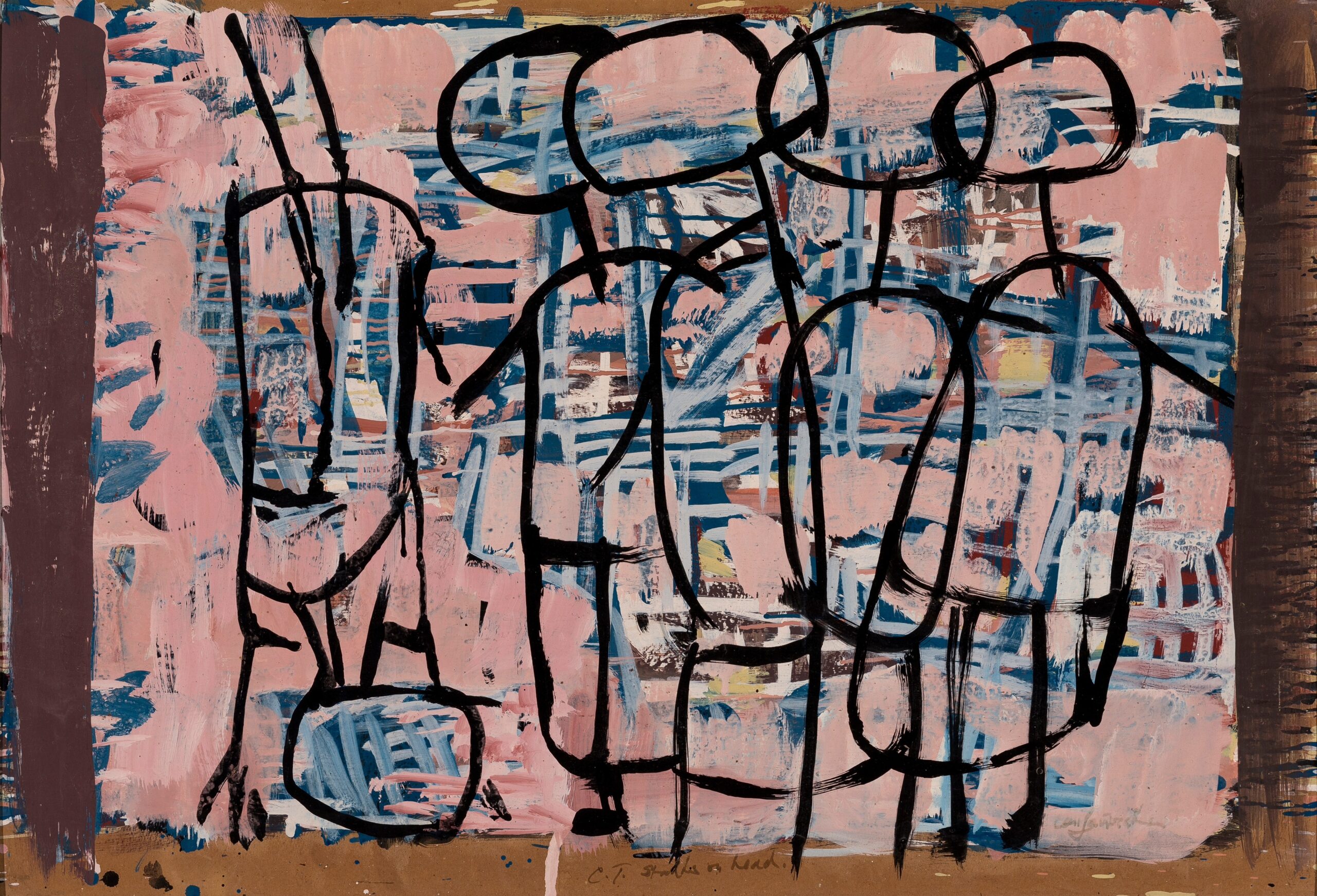
There is a painting in the exhibition by Ian Fairweather from our Collection, which comes from a series of paintings he created made around the Chinese folk tale of the Drunken Buddha. Fairweather produced the first English translation from Mandarin of this tale in 1965. In the painting the character of the drunken monk is standing upside down on his head. In researching about this work, I learnt that the monk was accepted for his unconventional behaviour and was given a new name that translates to ‘salvation by upturning’. Knowing this gave me artistic license to create a more playful layout of the exhibition and to order the artworks differently, moving beyond a linear approach.
What methods and considerations have been implemented in creating didactics about the themes, artists and artworks in this exhibition?
There are so many stories to tell about the 60 or so objects in this exhibition. This has been a big challenge, and Emma Nixon, Curatorial Assistant at the TarraWarra Museum of Art, has been an invaluable part of this process. Emma has reinterpreted my writing and has been editing my thoughts down to make them more accessible in the exhibition context. We have also been aiming to more prominently include the voices of artists in the wall labels, in particular the voice of Ian Fairweather.
*****
Are you a teacher or educator? Join our Learning & Engagement mailing list to get occasional updates from our team about school tours, education resources, personal development sessions and other education updates.
Read more
Curator walkthrough of WILAM BIIK
Curator Stacie Piper walks through WILAM BIIK, a significant First Nations exhibition WILAM BIIK is an exhibition of cultural consciousness and knowledge, of an unsevered connection between First Peoples of South East Australia and their Country, over thousands of generations. Header image: Installation view, WILAM BIIK, TarraWarra Museum f Art, 2021. Works by Djirri Djirri Wurundjeri […]
Curatorial conversation: ‘David Noonan: Only when it’s cloudless’
A curatorial conversation Listen to this curatorial conversation recorded live in the gallery between TarraWarra Director, Victoria Lynn, and artist David Noonan. While not a guided tour, this recording is an interesting insight into the solo contemporary exhibition David Noonan: Only when it’s cloudless, curated by Victoria Lynn. David Noonan: Only when it’s cloudless, curated […]
Curatorial conversation: Charles Esche on The Soils Project
A curatorial conversation Director of Van Abbemuseum, the Netherlands, Charles Esche shares interesting insights on how soil is both something that is unique to each of us and also something we share – and why looking into the past to understand the present day is fundamental to creating a better future for all. The Soils […]
Curatorial conversation: Struggles for Sovereignty on The Soils Project
A curatorial conversation Watch this video with Eliesta Handitya and Gatari Surya Kusuma from activist collective Struggles for Sovereignty based in Yogyakarta, Indonesia. They speak about The Soils Project and in particular the effects of ongoing ecological issues and their work of bringing diverse communities together to address the complexities of deforestation, extraction and justice […]
Curatorial conversation: Victoria Lynn on The Soils Project
A curatorial conversation TarraWarra Museum of Art Director, Victoria Lynn speaks about The Soils Project and this particular iteration of an ongoing research-based experimental project developed in collaboration with leading contemporary arts museum the Van Abbemuseum in Eindhoven, the Netherlands and Struggles for Sovereignty, a collective based in Yogyakarta, Indonesia. The Soils Project arises from […]
The making of (SC)OOT(ER)ING around Su san Cohn and Eugenia Raskopoulos
Information for Students and Teachers. Learn more about the exhibition (SC)OOT(ER)ING around as the TarraWarra Learning and Engagement team investigate the making of the exhibition with craft artist Su san Cohn, visual artist Eugenia Raskopoulos, and exhibition curator and Museum director, Dr Victoria Lynn. What is the title of this exhibition and how was it decided […]
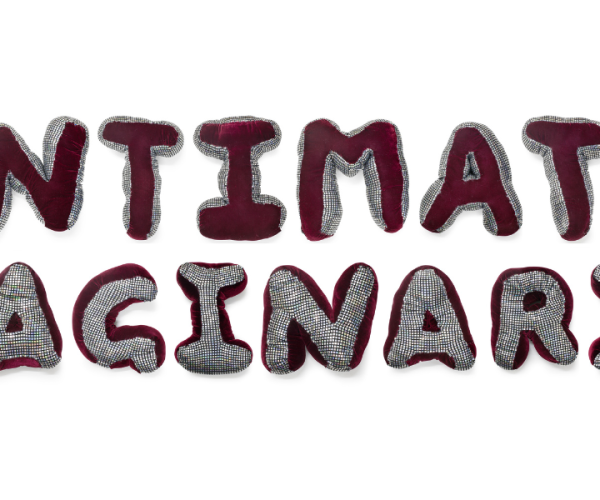
The making of Intimate Imaginaries: Q&A
Information for Students and Teachers. Learn more about the exhibition Intimate Imaginaries as the TarraWarra Learning and Engagement team explore the inspirations, techniques, and personal insights with the artists and curator Anthony Fitzpatrick. Intimate Imaginaries is a landmark exhibition celebrating the innovative practices of 13 artists from Arts Project Australia. Download the PDF to learn more. […]

The Soils Project: Diewke van den Heuvel
Diewke van den Heuvel speaks about her work Melting Heart. In this poetic ode, Diewke bears witness to the disappearing glacier. Climate change, a mostly hidden force, becomes visible as Diewke visits the Aletsch area in the Alps. The largest glacier of the Alps, melting rapidly, will vanish in 70 years. You’re invited to […]
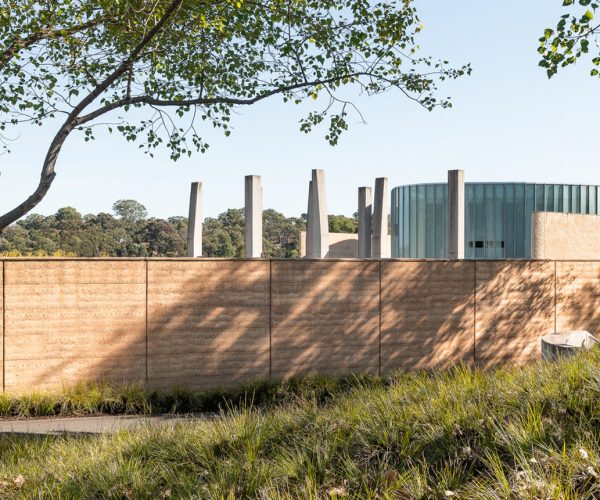
Ask a Curator Day 2021
TarraWarra Museum of Art Director, Dr Victoria Lynn, joins in Ask A Curator Day Ask A Curator Day is a global initiative to give the public direct access to curators at museums and galleries around the world. This year, curious community members asked the following fabulous questions about curatorship and the art industry: Q How […]
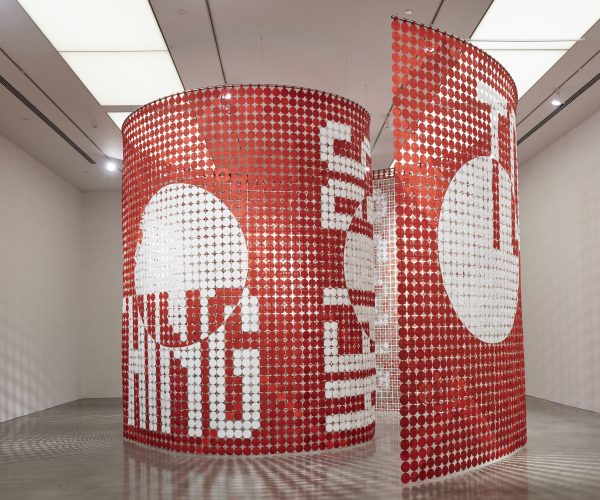
Rose Nolan: Breathing Helps – Artist & Curator Interviews
Information for Students and Teachers Explore the exhibition through conversations with the curator and artist. Rose Nolan – Artist Interview Dr Victoria Lynn – Curator Interview Rose Nolan, Artist TarraWarra Museum of Art: How did you decide upon the title and themes for this exhibition? Rose Nolan: The title of the exhibition is drawn […]
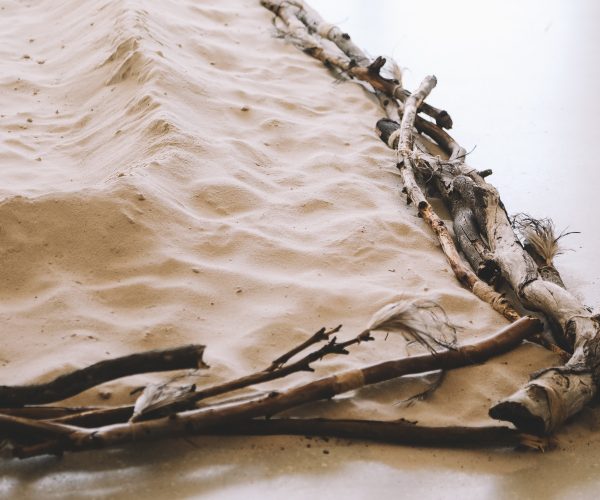
TarraWarra Biennial 2025: We Are Eagles – Artist & Curator Interviews
Moorina Bonini, Matha (Canoe) 2025 Courtesy of the artist Matha (Canoe) is a co-commission with TarraWarra Museum of Art and RISING, 2025, installation view, TarraWarra Biennial 2025: We Are Eagles. Courtesy of the artist. Photo: Thomas McCammon Information for Students and Teachers Explore the exhibition through conversations with the curator and artists. Kimberley Moulton […]
TarraWarra International 2026: System Release – Artist & Curator Interviews
Information for Students and Teachers Explore the exhibition through conversations with the curator and artists. Dr Emily Cormack – Curator Interview Nikau Hindin – Artist Interview Alicia Frankovich – Artist Interview Francis Carmody – Artist Interview Dr Emily Cormack, Curator How did you decide upon the themes and title for this exhibition? This exhibition evolved in response to […]
The City Wakes, The City Sleeps – Curator Interview
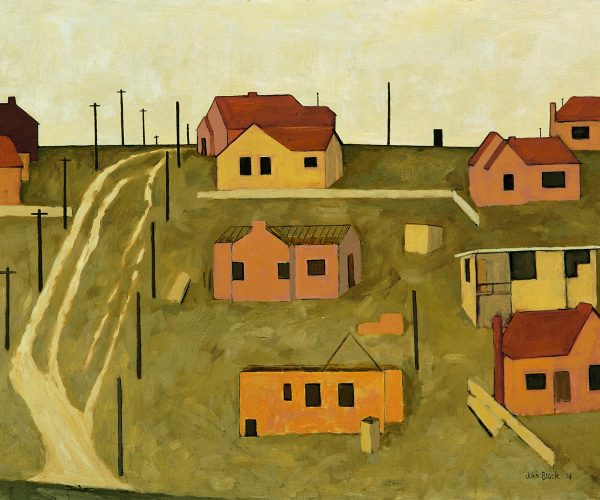
John Brack, Subdivision 1954, TarraWarra Museum of Art Collection. Purchased 2004 Information for Students and Teachers Explore the exhibition through conversations with the curators, James Lynch and Dr Victoria Lynn, Director, TarraWarra Museum of Art. What are your collaborative responsibilities in curating this exhibition? TarraWarra Museum of Art Director Dr Victoria Lynn led a team […]